Long before factories, assembly lines, and machine-made décor, Indian artisans were creating intricate metal sculptures using a technique so remarkable that it continues to amaze the world even today. This ancient tradition, known as Dhokra Craft, has survived for over four millennia, making it one of the oldest continuously practiced forms of metal casting in human history.
What began in the tribal heartlands of India has now found its place in modern homes, luxury interiors, and global art collections. More than a decorative object, every Dhokra piece carries a story—of heritage, patience, and craftsmanship that refuses to fade with time.
The Ancient Art of Lost-Wax Casting
The story of Dhokra Art dates back nearly 4,000 years and is often associated with the famous “Dancing Girl” bronze sculpture of the Indus Valley Civilization. While civilizations rose and fell, the artisans of central and eastern India preserved this extraordinary technique, passing it from one generation to the next.
The process, known as Lost Wax Casting, is entirely handcrafted.
First, a clay core is shaped into the desired form. Fine wax threads are then wrapped around it to create intricate patterns and textures. Another layer of clay covers the wax model, and the mold is heated until the wax melts away, leaving behind a hollow cavity. Molten brass is poured into this space, and once cooled, the outer clay mold is broken to reveal the final artwork.
Since the mold can only be used once, every Dhokra creation is completely unique.
More Than Metal—A Reflection of Tribal India
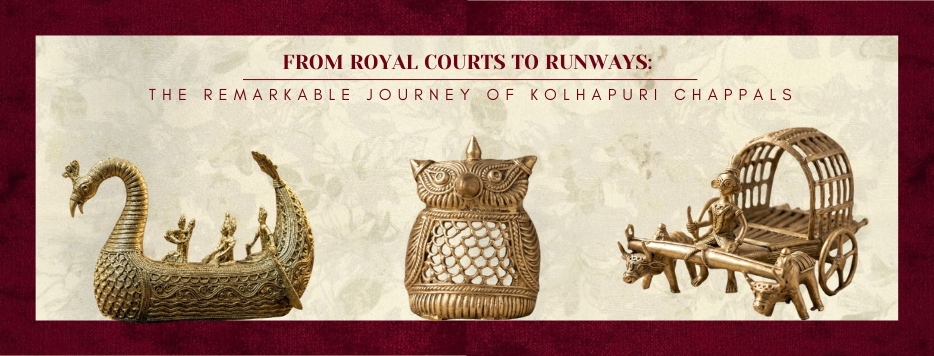
For centuries, Dhokra artisans have drawn inspiration from the world around them. Their creations feature elephants, horses, birds, musicians, tribal deities, and scenes from village life, each carrying deep cultural significance.
Unlike mass-produced décor, Handmade Brass Decor celebrates individuality. Slight variations in texture and finish are not imperfections—they are proof of human touch and authentic craftsmanship. Across regions like West Bengal, Odisha, Chhattisgarh, Jharkhand, and Madhya Pradesh, these artworks have long been a part of rituals, festivals, and everyday life, preserving stories that words often cannot.
How Dhokra Craft Found a Global Audience
In recent years, the world has embraced a growing appreciation for sustainability, authenticity, and handmade living. Consumers are moving away from factory-produced products and seeking objects that have meaning and history.
This shift has opened new doors for Dhokra Craft.
Today, Dhokra sculptures are admired by collectors, interior designers, and art enthusiasts across Europe, North America, Australia, and the Middle East. Luxury hotels, boutique spaces, and contemporary homes are increasingly incorporating Traditional Indian Handicrafts as statement pieces.
The global rise of ethical consumerism has also increased demand for Indian Handmade Products, giving ancient crafts like Dhokra the international recognition they deserve. Far from being a relic of the past, Dhokra has become a symbol of timeless design.
Why Handmade Heritage Matters More Than Ever
Every Dhokra sculpture takes days—and often weeks—to complete. Unlike machine-made products, there is no shortcut to this process.
Choosing Handcrafted Home Decor helps:
* Preserve ancient Indian craftsmanship.
* Support tribal artisan communities.
* Encourage sustainable and low-waste production.
* Keep centuries-old cultural traditions alive.
In a world of instant manufacturing, Dhokra reminds us that true artistry cannot be rushed.
A Timeless Piece for Modern Homes
One of the reasons behind Dhokra’s growing popularity is its incredible versatility. Whether your home reflects a modern, rustic, bohemian, or traditional aesthetic, these handcrafted pieces blend effortlessly into every setting.
A beautifully crafted Dhokra owl, turtle, or tribal dancers can transform a simple shelf or console into a conversation piece.
Collectors and design enthusiasts often choose Authentic Indian Handicrafts because they offer something that factory-made décor never can—a story.
Keeping the Legacy Alive with Heritage Bazaar
As traditional Indian crafts gain appreciation around the world, platforms that work directly with artisan communities play an important role in preserving these living traditions.
At Heritage Bazaar, the mission extends beyond curating beautiful products. It is about celebrating India’s artistic heritage and creating sustainable opportunities for the artisans who keep these ancient crafts alive. By bringing authentic Dhokra Art to a wider audience, Heritage Bazaar helps bridge the gap between tribal workshops and modern homes.
Featured Pick: Shahi Palki Dhokra Sculpture
One of the finest examples of this timeless tradition is the Shahi Palki Dhokra Sculpture. Meticulously crafted using the ancient lost-wax technique, this iconic piece symbolizes strength, prosperity, and enduring craftsmanship.
Why it’s a Heritage Bazaar favourite:
* 100% handcrafted by skilled tribal artisans.
* Created using the traditional Lost Wax Casting process.
* A unique collectible—no two pieces are identical.
* Perfect for home décor, gifting, and art collections.
* Supports the preservation of India’s artisan communities.
This isn’t simply a décor object; it’s a piece of history, cast in brass and carried through generations.