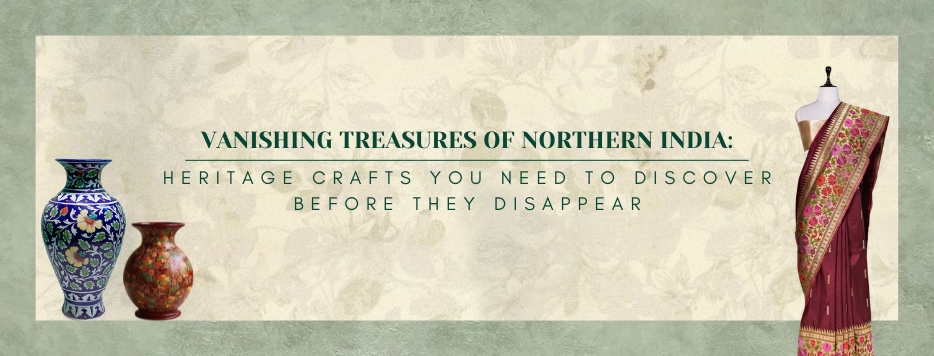
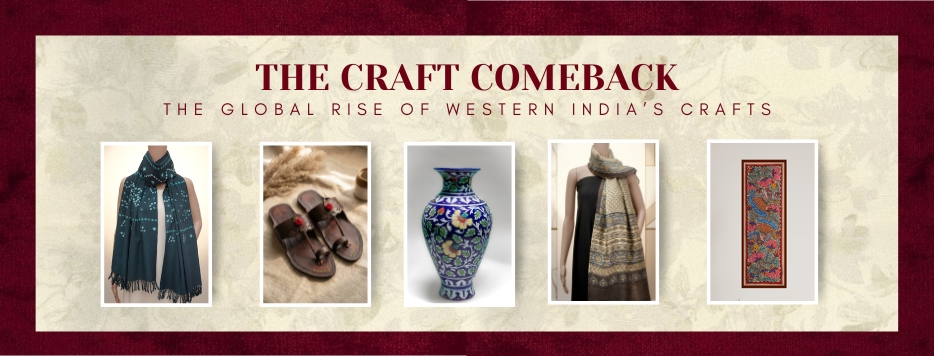
Western India isn’t just a region—it’s a living gallery of craftsmanship shaped by desert winds, royal patronage, and coastal trade. From the vibrant villages of Rajasthan to the textile-rich belts of Gujarat and the cultural hubs of Maharashtra, every handcrafted piece tells a story that mass production simply cannot replicate.
At Heritage Bazaar, we don’t just curate products—we bring forward legacies.
Why Western India Crafts Are Dominating Global Handmade Trends
In recent years, global markets have seen a surge in demand for sustainable fashion, handcrafted home décor, and artisan-made products. Western India sits at the center of this movement.
Consumers today are moving away from factory-made uniformity and embracing imperfections that feel real. Western India’s crafts offer exactly that—authenticity, heritage, and individuality.
Iconic Crafts of Western India You Need to Know
1. Bandhani – The Art of Tied Stories
Originating from Gujarat and Rajasthan, Bandhani is a centuries-old tie-dye technique where fabric is intricately tied before dyeing.
Each dot is tied by hand—making every piece one-of-a-kind. Today, Bandhani sarees, dupattas, and even contemporary apparel are trending globally under slow fashion movements.
2. Blue Pottery – Jaipur’s Signature Aesthetic
Unlike traditional pottery, Blue Pottery from Jaipur uses quartz instead of clay, giving it a distinct finish.
Its Persian-inspired motifs and vibrant blue hues make it a favorite in luxury home décor and handcrafted ceramic collections.
3. Ajrakh – Geometry Meets Natural Dyeing
Ajrakh printing, practiced in Gujarat, is a complex process involving multiple stages of hand block printing and natural dyeing.
With rising awareness around eco-friendly textiles, Ajrakh has become a global symbol of sustainable craftsmanship.
4. Warli Art – Stories in Simplicity
From the tribal regions of Maharashtra, Warli Art uses basic geometric shapes to narrate stories of daily life.
Minimal yet powerful, it has found its way into modern interiors, fashion, and even global design collaborations.
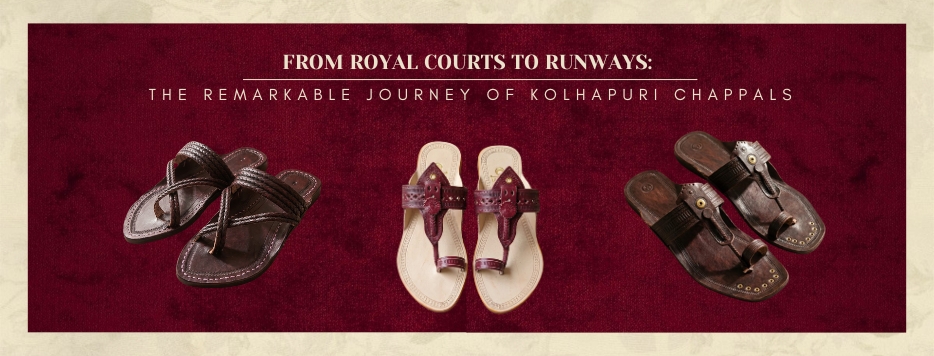
5. Leather Craft & Mojaris – Heritage in Every Step
Rajasthan’s handcrafted leather footwear, especially Mojaris, blend comfort with heritage aesthetics.
These products are now being reimagined for global audiences, making them perfect for both ethnic and contemporary styling.
The Rising Global Demand for Western India Handicrafts
Western India’s crafts are no longer confined to local markets. With increasing exports and digital platforms, these products are reaching buyers across the US, Europe, and beyond.
Key trends driving growth:
- Demand for ethical fashion brands
- Preference for handmade over machine-made
- Growth of artisan storytelling marketing
- Rise of heritage luxury segments
Brands like Heritage Bazaar are bridging the gap between artisans and modern consumers—making traditional crafts relevant in today’s lifestyle.
Why These Crafts Matter More Than Ever
Every handcrafted piece supports:
- Rural artisan livelihoods
- Preservation of dying art forms
- Sustainable production practices
When you choose handmade, you’re not just buying a product—you’re investing in culture, identity, and continuity.
FAQs
1. What are the most famous handicrafts of Western India?
Some of the most renowned crafts include Bandhani, Ajrakh printing, Blue Pottery, Warli Art, and traditional leather Mojaris.
2. Why are Western India crafts considered sustainable?
These crafts often use natural dyes, hand processes, and minimal machinery, making them environmentally friendly compared to mass production.
3. Where can I buy authentic Western India handicrafts online?
Platforms like Heritage Bazaar specialize in curated, authentic artisan products directly sourced from craft clusters.
4. Are handcrafted products more expensive than machine-made ones?
Yes, but they offer superior quality, uniqueness, and cultural value—making them worth the investment.
5. How can I identify genuine handmade products?
Look for slight imperfections, natural textures, and artisan details—these are signs of authentic craftsmanship.
Western India’s crafts are not just surviving—they are evolving, adapting, and redefining luxury in the modern world.
At Heritage Bazaar, the goal is simple: to make heritage not just seen, but experienced.