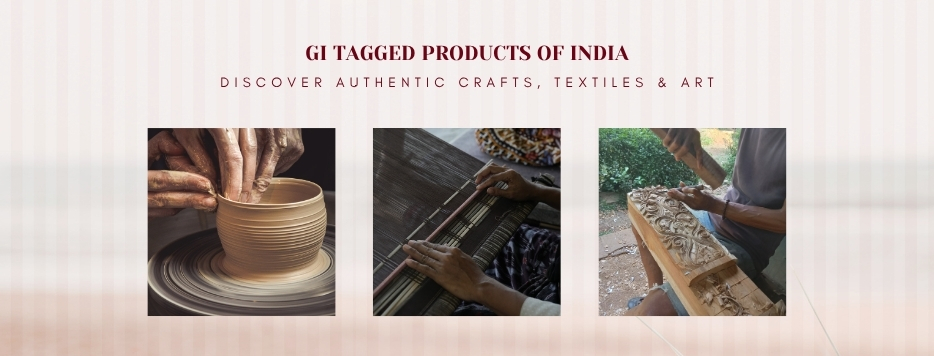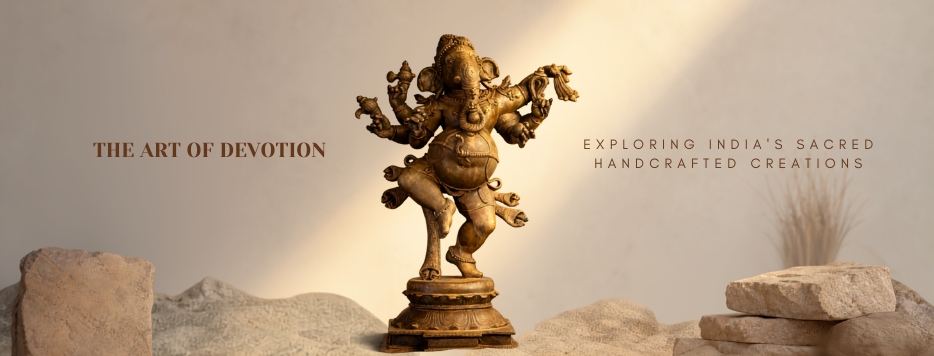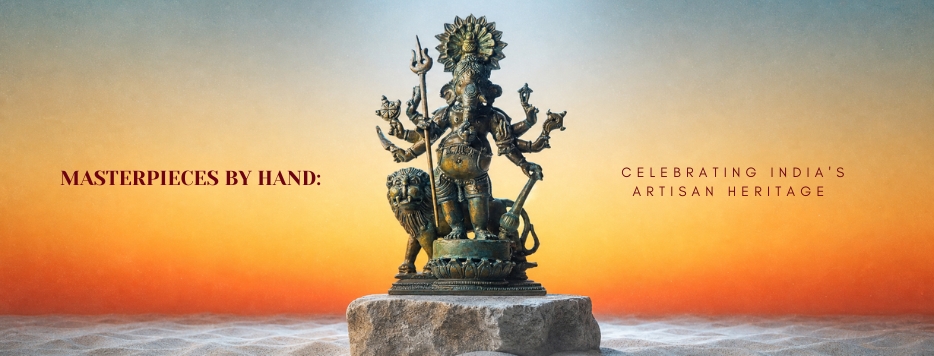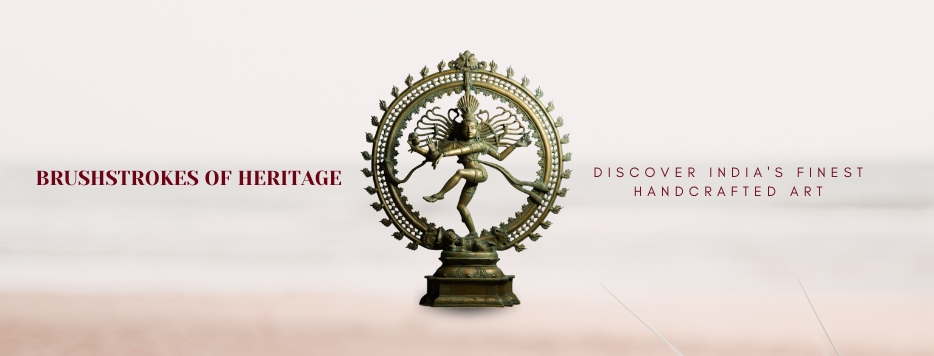


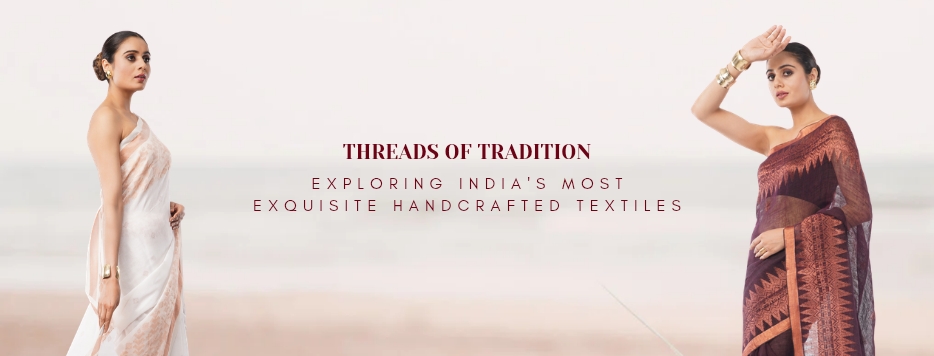
India’s textile heritage is not merely a story of fabrics—it’s a story of people, traditions, and centuries of craftsmanship woven into every thread. Long before fashion became a global industry, Indian artisans were creating textiles that captivated traders, royals, and collectors across continents.
Today, these handcrafted textiles continue to represent the soul of India’s cultural legacy. From luxurious silk sarees to intricate handwoven fabrics, every piece reflects generations of skill, patience, and artistic expression.
At Heritage Bazaar, we celebrate these timeless traditions by bringing authentic Indian textiles from artisan communities to buyers who value craftsmanship, heritage, and quality.
The Enduring Legacy of Indian Textiles
India has been a global center for textile production for thousands of years. Ancient trade routes carried Indian cottons, silks, and dyed fabrics to markets across Asia, Europe, and the Middle East.
What makes Indian textiles extraordinary is their diversity. Every region has developed unique weaving techniques, motifs, and textile traditions influenced by local culture, geography, and history. Unlike mass-produced fabrics, handcrafted textiles carry a human touch that machines cannot replicate. Each weave, motif, and pattern tells a story of heritage preserved through generations.
Discover India’s Finest Textile Traditions
India’s textile landscape is as diverse as its culture. Every weave, dyeing technique, and embroidery style reflects the heritage of a region and the artistry of its people. At Heritage Bazaar, you’ll discover a curated selection of textile traditions that showcase the richness of India’s craft legacy.
Banarasi Silk: The Epitome of Elegance
Woven in the historic city of Varanasi, Banarasi Silk is renowned for its luxurious texture, intricate zari work, and timeless appeal. Often associated with celebrations and heirloom wardrobes, these textiles represent centuries of weaving excellence.
Bandhani: The Art of Tie-and-Dye
Originating from Gujarat and Rajasthan, Bandhani is one of India’s oldest textile arts. Skilled artisans create intricate patterns by hand-tying thousands of tiny points before dyeing the fabric, resulting in vibrant designs that symbolize joy, tradition, and craftsmanship.
Bhujodi: Gujarat’s Handwoven Heritage
Named after the artisan village of Bhujodi in Kutch, these textiles are celebrated for their earthy aesthetics, handwoven textures, and traditional motifs. Bhujodi weaving beautifully reflects the resilience and creativity of Gujarat’s weaving communities.
Chikankari: Poetry in Thread
Originating from Lucknow, Chikankari is one of India’s most refined embroidery traditions. Delicate hand embroidery transforms fabrics into elegant works of art, making Chikankari garments a perfect blend of sophistication and comfort.
Dupattas: Timeless Expressions of Craft
A dupatta is more than an accessory—it’s a canvas for India’s textile traditions. From woven masterpieces to embroidered creations, handcrafted dupattas add grace, color, and cultural richness to every ensemble.
Ikkat: Where Geometry Meets Artistry
Known for its distinctive blurred patterns and vibrant designs, Ikkat is created through a complex resist-dyeing process applied to yarns before weaving. The result is a striking textile that combines precision, creativity, and centuries-old craftsmanship.
Pashmina: The Luxury of Handmade Warmth
Crafted using exceptionally fine fibers and traditional weaving techniques, Pashmina textiles are admired worldwide for their softness, warmth, and understated elegance. Each piece reflects the mastery of artisans who preserve this treasured Himalayan craft.
Sarees: India’s Most Timeless Textile Tradition
Few garments embody India’s textile heritage as beautifully as the saree. From festive drapes to everyday elegance, handcrafted sarees continue to celebrate regional weaving traditions while evolving with contemporary tastes.
Shawls: Woven Comfort and Craftsmanship
Indian shawls combine functionality with artistry. Whether adorned with intricate embroidery or woven using traditional techniques, they offer warmth while showcasing generations of artisan expertise.
Stoles: Heritage for Modern Wardrobes
Lightweight, versatile, and stylish, handcrafted stoles bring traditional textile artistry into contemporary fashion. They are perfect for those seeking subtle yet meaningful connections to India’s craft heritage.
Handwoven Fabrics: Tradition Beyond Sarees
India’s textile heritage extends beyond draped garments.
Artisans across the country create exceptional handwoven fabrics used for:
- Contemporary apparel
- Designer collections
- Home furnishings
- Ethical fashion initiatives
- Sustainable lifestyle products
These fabrics allow traditional craftsmanship to evolve while maintaining its authenticity.
Why Handcrafted Textiles Matter Today
In an age of fast fashion and mass production, handcrafted textiles offer something increasingly rare—meaningful craftsmanship.
Preserving Cultural Heritage: Every handcrafted textile supports traditions that have been refined and protected over centuries.
Supporting Artisan Communities: Millions of artisans depend on weaving, dyeing, and embroidery for their livelihoods. Choosing handcrafted textiles helps sustain these communities and their skills.
Encouraging Sustainable Consumption: Handloom and artisan-made textiles often require fewer industrial resources and promote slower, more thoughtful production methods.
Celebrating Individuality: No handcrafted textile is exactly the same. Small variations become signatures of authenticity rather than imperfections.
The Future of Indian Textiles
As consumers increasingly seek authenticity and sustainability, traditional textiles are finding renewed relevance in modern markets.
Designers, collectors, and conscious buyers are turning toward handcrafted fabrics that offer:
- Ethical sourcing
- Cultural significance
- Superior craftsmanship
- Long-lasting quality
Digital platforms such as Heritage Bazaar are helping bridge the gap between artisans and global audiences, ensuring that these remarkable traditions continue to thrive in the modern era.
Why Choose Heritage Bazaar for Authentic Textiles?
Heritage Bazaar serves as a platform dedicated to preserving and promoting India’s rich textile heritage. By connecting buyers directly with artisan-made products, we help ensure that traditional craftsmanship receives the recognition and support it deserves.
Our textile collection celebrates:
- Authentic handloom traditions
- Artisan craftsmanship
- Regional textile diversity
- Sustainable practices
- India’s living cultural heritage
Every purchase contributes to preserving the stories, skills, and communities behind India’s finest handcrafted textiles.
Featured Textile Collection: Banarasi Silk Sarees
Among Heritage Bazaar’s textile offerings, Banarasi Silk Sarees stand as a remarkable example of India’s weaving excellence. Crafted by skilled artisans using generations-old techniques, these sarees feature luxurious silk, intricate motifs, and exceptional craftsmanship.
Whether chosen for weddings, festive occasions, or as treasured heirlooms, Banarasi Silk sarees continue to embody elegance, heritage, and timeless beauty.
Frequently Asked Questions (FAQs)
- What are handcrafted textiles?
Handcrafted textiles are fabrics created using traditional techniques such as handloom weaving, embroidery, natural dyeing, and artisan-led production methods rather than large-scale industrial manufacturing.
2. Why are Indian textiles famous worldwide?
Indian textiles are renowned for their craftsmanship, regional diversity, intricate weaving techniques, premium materials, and centuries-old artistic traditions.
3. Which are the most popular handcrafted textiles in India?
Some of the most celebrated Indian textiles include Banarasi sarees, Chanderi sarees, Maheshwari sarees, Kanjivaram silk sarees, handloom cotton fabrics, and traditional embroidered textiles.
4. Are handloom textiles sustainable?
Yes. Handloom textiles generally consume less energy than machine-made fabrics and support local artisan communities while encouraging responsible production practices.
5. How can I identify authentic handcrafted textiles?
Look for information about the weaving region, artisan involvement, traditional production methods, and subtle variations that naturally occur in handmade products.
6. Where can I buy authentic Indian handcrafted textiles online?
Authentic Indian handcrafted textiles can be explored through Heritage Bazaar, which brings together artisan-made textiles from weaving communities across India.