

India’s Heritage is More Than History—It’s Protected by a GI Tag
India is home to one of the world’s richest cultural landscapes, where every region has a unique story woven into its textiles, carved into its crafts, and painted onto its art forms. From the shimmering silk of Varanasi to the vibrant pottery of Jaipur and the intricate metalwork of Chhattisgarh, these creations are more than products—they are living traditions passed down through generations.
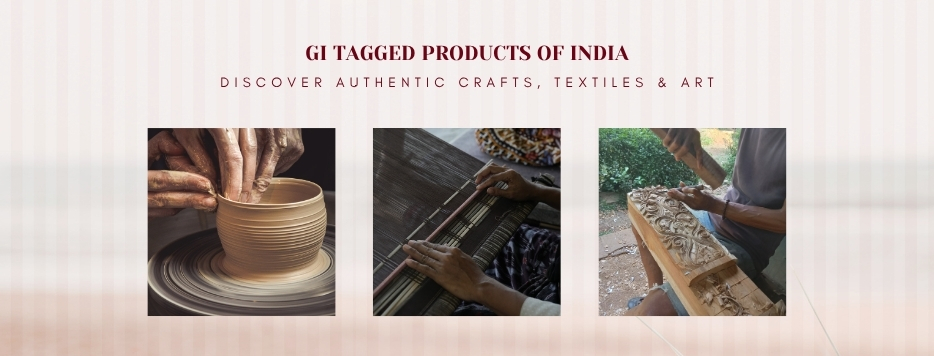
Yet, in today’s global marketplace, authentic handmade creations often compete with mass-produced imitations. This is where GI Tagged Products of India become essential. A Geographical Indication (GI) Tag protects products that originate from a specific region and possess qualities, craftsmanship, or reputation unique to that place.
Whether you’re a collector, designer, retailer, exporter, or someone who values authentic craftsmanship, understanding GI Certified Products helps you make informed choices while supporting India’s artisan communities.
In this guide, you’ll discover everything about GI Tagged Products of India, their significance, famous examples, benefits, and why choosing authentic products matters.
What Are GI Tagged Products of India?
A Geographical Indication (GI) is an intellectual property right that identifies products originating from a particular geographical region. The quality, craftsmanship, or reputation of these products is directly linked to their place of origin.
For example:
- Banarasi Sarees can only be authentically produced in Varanasi.
- Blue Pottery belongs to Jaipur.
- Kanchipuram Silk Sarees originate from Kanchipuram.
- Madhubani Paintings are rooted in Bihar’s Mithila region.
In India, GI Tags are granted under the Geographical Indications of Goods (Registration and Protection) Act, 1999, ensuring these traditional products remain protected from misuse and imitation.
Why Are GI Tagged Products Important?
Every GI Certified Product represents centuries of knowledge, craftsmanship, and cultural identity.
These certifications help:
- Preserve India’s traditional crafts
- Protect artisans from counterfeit products
- Promote authentic handmade products
- Strengthen rural economies
- Increase global recognition of Indian heritage
- Encourage sustainable craftsmanship
- Support artisan livelihoods
A GI Tag is not just a legal recognition—it’s a promise of authenticity.
Benefits of Buying Authentic GI Tagged Products
1. Guaranteed Authenticity
Every authentic GI Tagged Product originates from its certified geographical region and follows traditional methods of production.
2. Superior Craftsmanship
Unlike factory-made alternatives, Indian Handmade Products often involve generations of expertise and meticulous craftsmanship.
3. Preservation of Cultural Heritage
Purchasing Traditional Indian Crafts helps preserve techniques that have survived for centuries.
4. Direct Support for Artisan Communities
Buying authentic products contributes to sustainable livelihoods for India’s skilled artisans.
5. Sustainable & Ethical Production
Many GI Certified Handicrafts rely on natural materials, eco-friendly dyes, and handcrafted processes with minimal environmental impact.
GI Tagged Textiles of India
India has over 600 registered GI products, spanning textiles, handicrafts, paintings, foods, agricultural produce, and manufactured goods.
Let’s explore some of the country’s most celebrated heritage treasures.
Banarasi Silk Sarees (Uttar Pradesh)
One of India’s most luxurious handwoven textiles, Banarasi Silk Sarees are admired for their intricate zari work, Mughal-inspired motifs, and timeless elegance.
Known for:
- Pure silk weaving
- Gold & silver zari
- Wedding collections
- Royal craftsmanship
Kanchipuram Silk Sarees (Tamil Nadu)
Often called the “Queen of Silks,” these sarees are woven using pure mulberry silk and feature contrasting borders with exceptional durability.
Chanderi Fabric (Madhya Pradesh)
Lightweight and breathable, Chanderi is celebrated for its transparent texture and elegant motifs.
Perfect for:
- Summer wear
- Festive collections
- Contemporary ethnic fashion
Pochampally Ikat (Telangana)
Recognized globally for its resist-dyeing technique, Pochampally Ikat combines mathematical precision with artistic brilliance.
Kota Doria (Rajasthan)
Known for its signature square-check weave (khat), Kota Doria is among India’s finest lightweight fabrics.
GI Tagged Handicrafts of India
Jaipur Blue Pottery
Unlike conventional pottery, Blue Pottery is crafted using quartz instead of clay and decorated with Persian-inspired floral patterns.
Ideal for:
- Home décor
- Tableware
- Wall plates
- Gifting
Dhokra Metal Craft
Dating back over 4,000 years, Dhokra Craft uses the ancient lost-wax casting technique to create stunning sculptures and décor pieces.
Each piece is completely handmade, making every creation unique.
Channapatna Toys
These colorful wooden toys are handcrafted using natural dyes and traditional lac-turnery methods, making them safe and environmentally friendly.
Sankheda Furniture
Originating from Gujarat, Sankheda Furniture is recognized for its lacquered finish and vibrant floral hand-painted designs.
Thewa Art
A rare craft from Rajasthan where intricately designed gold sheets are fused onto colored glass to create exquisite jewelry and decorative art.
GI Tagged Paintings & Art Forms
Madhubani Painting
Originating from Bihar, Madhubani Art is characterized by intricate patterns inspired by mythology, flora, fauna, and everyday life.
Pattachitra
This ancient scroll painting tradition from Odisha showcases mythological storytelling through vibrant natural pigments.
Warli Painting
Created by the Warli tribe of Maharashtra, these minimalistic paintings use geometric shapes to depict community life and nature.
Cheriyal Scroll Painting
A traditional storytelling art from Telangana, known for its vivid colors and narrative style.
Why GI Tagged Products Matter for India’s Future
India’s artisan sector employs millions of skilled craftspeople, yet many continue to struggle due to machine-made replicas and unfair pricing.
Choosing GI Tagged Products of India helps:
- Preserve endangered crafts
- Create sustainable employment
- Encourage younger generations to continue traditional crafts
- Strengthen India’s cultural economy
- Promote ethical consumerism
Every authentic purchase contributes to preserving India’s living heritage.
Heritage Bazaar: Connecting India’s Heritage with the World
At Heritage Bazaar, we believe every handcrafted creation deserves recognition beyond its beauty.
Our mission is to connect artisan communities with buyers seeking authentic craftsmanship while celebrating India’s extraordinary diversity of GI-inspired crafts, textiles, and traditional art forms.
By promoting curated handmade collections, we help preserve centuries-old traditions while creating meaningful opportunities for artisans across India.
Because every handcrafted masterpiece carries a story worth preserving.
Frequently Asked Questions (FAQs)
What are GI Tagged Products?
GI Tagged Products are goods that originate from a specific geographical region and possess qualities or a reputation unique to that location. They are protected under India’s Geographical Indications Act.
How many GI Tagged Products are registered in India?
India has 600+ registered GI products, covering textiles, handicrafts, paintings, food products, agricultural goods, and manufactured items.
Why should I buy GI Certified Products?
Buying GI Certified Products ensures authenticity, supports artisan communities, preserves traditional craftsmanship, and promotes sustainable production.
Which are the most famous GI Tagged Products of India?
Some of the most popular include:
- Banarasi Silk Sarees
- Kanchipuram Silk
- Blue Pottery
- Dhokra Craft
- Madhubani Paintings
- Pochampally Ikat
- Darjeeling Tea
- Kashmir Saffron